

What Laptops Do Students Need in Nepali College?
A Complete Buying Guide for Nepali Students by Alam Tech
What Laptops Do Students Need in Nepali College: Choosing the right laptop for college in Nepal is one of the most important decisions a student will make. Whether you are stepping into your first semester or already deep into university life, your laptop becomes your classroom, library, notebook, research lab, and sometimes even your entertainment center. In Nepal, where academic requirements vary widely and budgets are often limited, selecting the right laptop is not just about buying a device—it’s about making a smart long-term investment.
At Alam Tech, we meet students every day who feel confused by technical terms, overwhelmed by choices, or worried about spending money on the wrong laptop. This guide is written to remove that confusion. It explains what laptops students actually need in Nepali colleges, based on real academic demands, local conditions, and practical usage—not marketing hype.
Understanding College Life in Nepal and Laptop Usage
College education in Nepal is diverse. A student studying management in Kathmandu has very different laptop needs compared to an engineering student in Pokhara or an IT student in Lalitpur. Some colleges rely heavily on presentations, assignments, and online research, while others require coding, simulations, design software, or data analysis tools.
Additionally, Nepali students often face challenges such as:
- Load shedding or unstable electricity in some areas
- Dusty environments affecting hardware
- Frequent travel between home, hostel, and college
- Limited budget but high expectations for long-term use
Because of these realities, a laptop for a Nepali student must be reliable, efficient, portable, and durable—more than just powerful.

What Laptops Do Students Need in Nepali College?
Why Choosing the Right Laptop Matters for Students
Many students make the mistake of buying either the cheapest laptop or the most powerful one without understanding their actual needs. Both choices can lead to problems.
A weak laptop may struggle with basic tasks after one year, slow down during exams, or fail during important submissions. On the other hand, an overpowered gaming laptop may drain battery quickly, feel heavy to carry, and cost more than necessary.
The right laptop:
- Supports your field of study
- Lasts throughout your college years
- Saves money on repairs and upgrades
- Improves productivity and learning experience
Core Laptop Requirements for Nepali College Students
1. Processor (CPU): The Brain of the Laptop
For most Nepali college students, the processor does not need to be extremely powerful, but it must be reliable.
- General courses (Management, Humanities, Education, Law):
A mid-range processor handles assignments, presentations, browsing, and online classes smoothly. - IT, Computer Science, Engineering:
These students benefit from stronger processors for coding, simulations, and software development. - Design, Multimedia, Architecture:
Higher-performance processors are needed to run editing and rendering software efficiently.
A modern processor ensures your laptop stays responsive for years, not just months.
2. RAM: Smooth Multitasking for College Life
College life means multitasking—research tabs open, PDFs, Word documents, Zoom meetings, and sometimes music in the background.
- Minimum recommended RAM: 8 GB
- Ideal for technical courses: 16 GB
In Nepal, many students buy laptops with low RAM and regret it later. RAM directly affects speed and smoothness. Having enough RAM prevents freezing during exams, presentations, and project deadlines.
3. Storage: SSD Is a Must for Students
Storage affects how fast your laptop boots, opens files, and loads applications.
- SSD storage is essential for college students
- 512 GB SSD is ideal for most students
- Students working with large files may require more space
SSDs are especially important in Nepal where students often rely on their laptops for everything and need quick access without delays.
4. Display: Protecting Student Eyes During Long Study Hours
Nepali college students spend long hours staring at screens—writing assignments, attending online classes, and preparing notes.
Key display factors:
- Full HD resolution for clarity
- Comfortable screen size (14–15.6 inches)
- Good brightness for indoor and outdoor use
Students should avoid very small or low-resolution screens, as they cause eye strain and fatigue.
5. Battery Life: Surviving Long College Days
Battery life is extremely important in Nepal, especially for students living in hostels or areas with power fluctuations.
A good student laptop should:
- Last at least 6–8 hours on normal use
- Support fast charging
- Maintain battery health over years
Long battery life means uninterrupted study sessions, even during power cuts or long classes.
6. Weight and Portability: Daily Travel Matters
Many Nepali students travel daily using public transport, bikes, or on foot. Carrying a heavy laptop every day can be exhausting.
An ideal student laptop:
- Weighs under 2 kg
- Fits easily in a backpack
- Has a strong build to handle travel
Lightweight laptops are especially valuable for students attending college in busy cities like Kathmandu.
Laptop Needs by College Stream in Nepal
Management, BBA, BBS, BIM, Economics
These students mainly use:
- Word processing
- Presentations
- Internet research
- Online classes
Recommended features:
- Mid-range processor
- 8 GB RAM
- SSD storage
- Long battery life
IT, Computer Science, Software Engineering
These students require laptops that can handle:
- Programming environments
- Virtual machines
- Databases
- Web and app development
Recommended features:
- Strong processor
- 16 GB RAM (preferred)
- Fast SSD
- Good cooling system
Engineering Students (Civil, Electrical, Mechanical)
Engineering students often use:
- CAD software
- Simulation tools
- Technical applications
Recommended features:
- High-performance processor
- Dedicated graphics (in some cases)
- Larger display
- Strong cooling
Design, Multimedia, Architecture Students
These students rely heavily on:
- Graphic design software
- Video editing
- 3D rendering
Recommended features:
- Powerful processor
- Dedicated graphics card
- High-quality display
- Sufficient RAM and storage
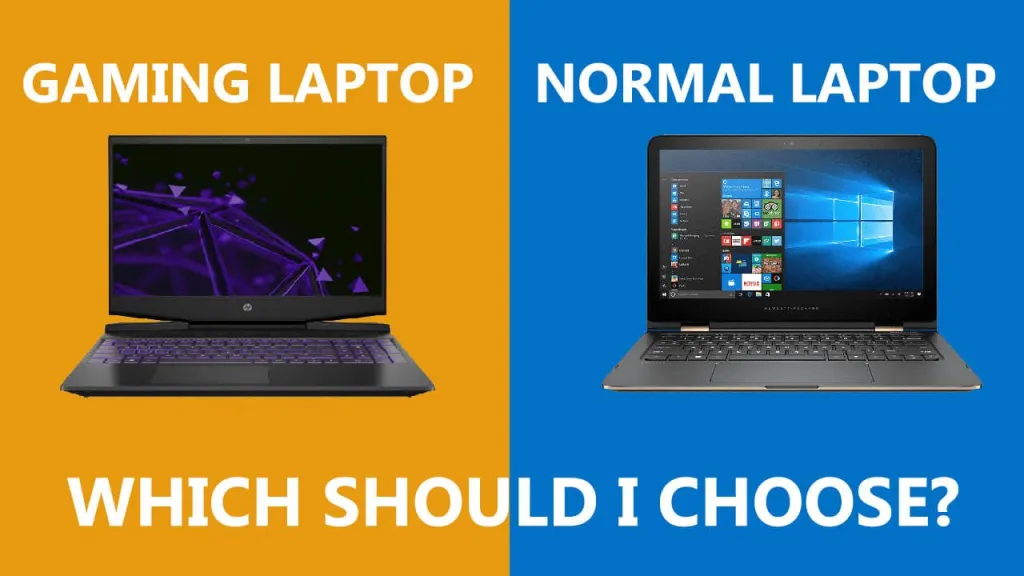
Gaming Laptops vs Normal Laptops for Students
Many students in Nepal consider gaming laptops because they look powerful. While gaming laptops are strong, they are not always the best choice for college.
Pros of Gaming Laptops:
- High performance
- Strong graphics
- Useful for design and development
Cons for Students:
- Heavy and bulky
- Short battery life
- Noisy fans
- Higher price
For most college students, a balanced laptop is a smarter choice unless gaming or graphics work is a priority.
Operating System Choice for Nepali Students
Most students in Nepal use Windows laptops because:
- Colleges teach Windows-based software
- Compatibility with academic tools
- Easier troubleshooting
Some IT students prefer other systems, but Windows remains the most practical choice for college life.
Durability and Build Quality in Nepal
Nepal’s environment includes dust, humidity, and temperature changes. A student laptop should:
- Have solid build quality
- Strong hinges
- Reliable keyboard and trackpad
Durability ensures the laptop survives daily use throughout college years without frequent repairs.
Keyboard and Typing Comfort for Assignments
College students type a lot—assignments, notes, coding, reports.
A good keyboard:
- Has comfortable key travel
- Feels solid and responsive
- Supports long typing sessions
Backlit keyboards are helpful for night study, especially in hostels.
Connectivity and Ports Needed by Students
Students often connect:
- Pendrives
- External displays
- Projectors
- Printers
A good student laptop should include:
- USB ports
- HDMI or display output
- Headphone jack
- Wi-Fi stability
Budget Considerations for Nepali Students
Most students and parents in Nepal look for value rather than luxury.
Important budget tips:
- Avoid paying extra for unused features
- Focus on performance, reliability, and warranty
- Choose laptops that can last 4–5 years
A well-chosen mid-range laptop often outperforms cheap low-end devices in the long run.
Common Mistakes Nepali Students Make When Buying Laptops
- Buying based on looks instead of needs
- Choosing too little RAM
- Ignoring battery life
- Buying outdated models
- Overpaying for gaming features they don’t need
Avoiding these mistakes saves money and stress.
How Alam Tech Helps Students Choose the Right Laptop
At Alam Tech, we understand student needs because we serve Nepali students every day. We help students:
- Choose laptops based on their course
- Balance performance and budget
- Get long-term value
- Receive honest advice, not sales pressure
Our goal is not just to sell laptops but to support student success.
Final Thoughts: The Right Laptop Is a Study Partner
A laptop is not just a machine—it becomes a student’s daily companion throughout college life. Choosing the right one makes studying easier, learning smoother, and stress lower.
Nepali college students should focus on:
- Their academic requirements
- Practical usage
- Long-term reliability
- Comfort and portability
With the right choice, a laptop can support your education, creativity, and future career.
If you’re a student or a parent planning a laptop purchase for college in Nepal, make an informed decision. A smart choice today leads to better results tomorrow.
Contact us:
Frequently Asked Questions (FAQs) – Laptops for Nepali College Students
1. What type of laptop is best for college students in Nepal?
The best laptop for Nepali college students is one that balances performance, portability, and price. It should comfortably handle assignments, online classes, and basic software while lasting several years without slowing down.
2. Is a budget laptop good enough for college studies?
Yes, for general courses like management, humanities, or education, a budget laptop with modern specifications is sufficient. However, extremely low-end laptops may struggle after one or two years.
3. How much RAM should a college student laptop have?
At least 8 GB RAM is recommended for smooth multitasking. Students in IT, engineering, or design fields benefit more from 16 GB RAM.
4. Is 4 GB RAM enough for Nepali students?
4 GB RAM is not ideal anymore. It may work for very basic tasks but will feel slow with online classes, browsers, and assignments running together.
5. Should students choose SSD or HDD storage?
Students should always choose SSD storage. SSDs make laptops faster, boot quicker, and are more reliable for daily college use.
6. How much storage is enough for a college student?
512 GB SSD is ideal for most students. It provides enough space for documents, software, and personal files without worrying about running out.
7. Do college students in Nepal need a graphics card?
Most students do not need a dedicated graphics card. Only students in gaming, architecture, video editing, or 3D design truly benefit from it.
8. Is a gaming laptop good for college students?
Gaming laptops are powerful but not always practical for college due to weight, battery drain, and noise. They are suitable mainly for students with graphics-heavy workloads.
9. What screen size is best for Nepali students?
A 14-inch or 15.6-inch screen is ideal. It offers a good balance between comfort and portability for daily college travel.
10. Is Full HD display necessary for students?
Yes, a Full HD display improves text clarity, reduces eye strain, and makes long study sessions more comfortable.
11. How important is battery life for college laptops in Nepal?
Battery life is very important due to long classes, travel, and occasional power cuts. A laptop should last at least 6–8 hours on normal use.
12. Are lightweight laptops better for students?
Yes, lightweight laptops are easier to carry daily, especially for students commuting by public transport or living in hostels.
13. Which processor is good for college students?
Modern mid-range processors are sufficient for most students. IT and engineering students may require higher-performance processors.
14. Do Nepali colleges require Windows laptops?
Most Nepali colleges use Windows-based software, so Windows laptops are the most practical and widely compatible option.
15. Can students use laptops for online classes easily?
Yes, laptops are ideal for online classes because of larger screens, keyboards, and better multitasking compared to tablets or phones.
16. Is a touchscreen laptop useful for students?
Touchscreen laptops can be helpful for note-taking and presentations but are not essential for most students.
17. Should students worry about laptop heating?
Yes, overheating affects performance and lifespan. Students should choose laptops with good cooling and proper ventilation.
18. Are refurbished laptops good for students?
Refurbished laptops can be good if they are properly checked and come with warranty, but students should be cautious about very old models.
19. How long should a student laptop last?
A well-chosen laptop should comfortably last 4 to 5 years, covering the entire college period.
20. Do students need laptops with backlit keyboards?
Backlit keyboards are helpful for late-night study or hostel environments but are not mandatory.
21. Is Wi-Fi performance important for college laptops?
Yes, stable Wi-Fi is crucial for online classes, research, and submissions.
22. Should students care about laptop build quality?
Yes, strong build quality helps the laptop survive daily travel, dust, and long-term use in Nepali conditions.
23. Are laptops with metal bodies better?
Metal bodies generally feel sturdier and premium, but good-quality plastic laptops can also be durable and lighter.
24. How important is the laptop keyboard for students?
Very important. Students type assignments, notes, and reports regularly, so keyboard comfort matters a lot.
25. Is laptop noise an issue for students?
Yes, noisy fans can be distracting in classrooms or libraries. Efficient cooling with low noise is preferred.
26. Do students need fingerprint or face unlock features?
These features add convenience and security but are optional, not essential.
27. Can students upgrade RAM later?
Some laptops allow RAM upgrades, which is helpful. Students should check upgradability before buying.
28. Is laptop warranty important for students?
Yes, warranty provides peace of mind and protects against unexpected repair costs.
29. Should students buy laptops online or from stores?
Both options are fine, but buying from a trusted seller ensures proper support, warranty, and guidance.
30. How can students avoid buying the wrong laptop?
Students should understand their course requirements, avoid outdated models, and seek expert advice before purchasing.
31. Are Chromebooks suitable for Nepali college students?
Chromebooks are limited and may not support required college software, so they are generally not recommended.
32. Do engineering students need high-end laptops?
Engineering students often need stronger performance for software like CAD and simulations, so higher specs are useful.
33. What laptops are good for management students?
Management students need reliable laptops with good battery life, SSD storage, and smooth performance for documents and presentations.
34. Are laptops necessary for all college students?
In today’s education system, laptops are almost essential for assignments, research, and communication.
35. Can students use one laptop for college and personal use?
Yes, most student laptops handle both academic work and entertainment easily.
36. Should students prioritize brand or specifications?
Specifications matter more than brand. A balanced laptop with good specs offers better value.
37. Is overheating common in Nepal?
Dust and warm environments can contribute to overheating, so proper care and cooling are important.
38. How often should students clean their laptops?
External cleaning should be done regularly, and internal cleaning once or twice a year if needed.
39. Can laptops replace notebooks and textbooks?
Laptops reduce the need for physical books but cannot fully replace handwritten notes for everyone.
40. Do students need antivirus software?
Basic security is important, but students should focus on safe usage habits rather than heavy software.
41. Is a bigger screen better for studying?
Bigger screens are comfortable but reduce portability. A balance is better for students.
42. Should students buy laptops with numeric keypads?
Numeric keypads are useful for accounting and data-related courses but not essential for everyone.
43. Are laptops with DVD drives still useful?
DVD drives are mostly outdated and not needed for modern college use.
44. How important is fast charging for students?
Fast charging is helpful for busy schedules and reduces downtime between classes.
45. Do students need laptops with high refresh rate displays?
High refresh rates are mainly useful for gaming and are not necessary for general studies.
46. Can a single laptop support both undergraduate and postgraduate studies?
Yes, if chosen well, one laptop can support long-term academic use.
47. Should students buy laptops early or after college starts?
Buying early helps students prepare better, but understanding course requirements is important.
48. Are laptops with small bezels better?
Small bezels improve screen experience and portability but are not a deciding factor.
49. How does RAM affect online classes?
More RAM allows smoother video calls, screen sharing, and multitasking without lag.
50. Can students rely on laptops during power cuts?
Yes, laptops with good battery life are very useful during power outages.
51. Should students buy laptops with future upgrades in mind?
Yes, upgradable laptops provide better long-term value.
52. Is laptop resale value important?
Yes, laptops with good build and specifications retain better resale value.
53. Can students use laptops for internships and freelancing?
Yes, a good student laptop can support internships, freelancing, and skill development.
54. How much should Nepali students spend on a laptop?
Students should focus on value rather than price and choose a laptop that meets their academic needs.
55. Are cheap laptops risky for long-term use?
Very cheap laptops often lack performance and durability, making them risky for long-term college use.
56. Should parents be involved in laptop selection?
Yes, parents should understand the student’s academic needs to make a wise purchase.
57. Can one laptop be shared among siblings?
It is possible, but individual use is better for college students due to workload and schedules.
58. How does laptop weight affect student life?
Heavy laptops cause discomfort during daily travel, especially in crowded cities.
59. Are laptops better than tablets for students?
Laptops offer better productivity, typing comfort, and software support for college work.
60. Do students need external accessories with laptops?
Basic accessories like a mouse or backpack can improve comfort but are optional.
61. Is it safe to carry laptops daily in Kathmandu?
Yes, with proper bags and care, daily carrying is safe and common.
62. Can students use laptops for exams?
Some colleges allow laptop-based exams or online assessments, making laptops essential.
63. How important is customer support when buying a laptop?
Very important. Good support helps students resolve issues quickly during studies.
64. Should students focus on long-term performance?
Yes, a laptop should remain usable throughout the college duration without major slowdowns.
65. Are laptops with poor cooling bad for students?
Yes, poor cooling leads to slow performance and hardware damage over time.
66. Can students use laptops for creative hobbies?
Yes, laptops support photography, editing, writing, and other creative activities.
67. How does SSD improve student productivity?
SSDs reduce loading times, saving valuable time during study sessions.
68. Should students worry about laptop noise in libraries?
Yes, quiet laptops are preferred in study environments.
69. Is laptop portability more important than performance?
For most students, a balance of both is ideal rather than choosing only one.
70. Why should students choose Alam Tech for laptops?
Alam Tech understands Nepali students’ needs and provides honest guidance, reliable products, and long-term value.